
Stop Wasting Money on Paper Notebooks You’ll Never Re-Read
A reusable notebook with pen is a smart notebook made from synthetic (non-paper) pages that you can write on, erase, and use again — potentially for years — without ever buying a replacement.
Here’s how it works at a glance:
- Write using a compatible erasable pen
- Scan your notes with a free smartphone app
- Send them to cloud storage like Google Drive, Evernote, or Dropbox
- Erase the pages with a damp cloth — or microwave the whole notebook
- Repeat indefinitely
Think of it as a whiteboard that fits in your bag, with a built-in digital filing system.
If you’ve ever lost an important handwritten note, watched a notebook fill up in three weeks, or felt guilty tossing another spiral-bound pad in the recycling bin — you’re not alone.
One university student described going from using 2–3 traditional notebooks per semester to producing zero paper waste after switching to a reusable notebook. That’s not unusual. It’s actually the normal outcome once the habit clicks.
The appeal is simple: you get the feel of writing on paper, but your notes live forever in the cloud. The physical pages? You wipe them clean and start over.
This guide explains exactly how reusable notebooks work, what pens you need, how durable the pages really are, and whether one is right for you.
What is a Reusable Notebook with Pen and How Does It Work?
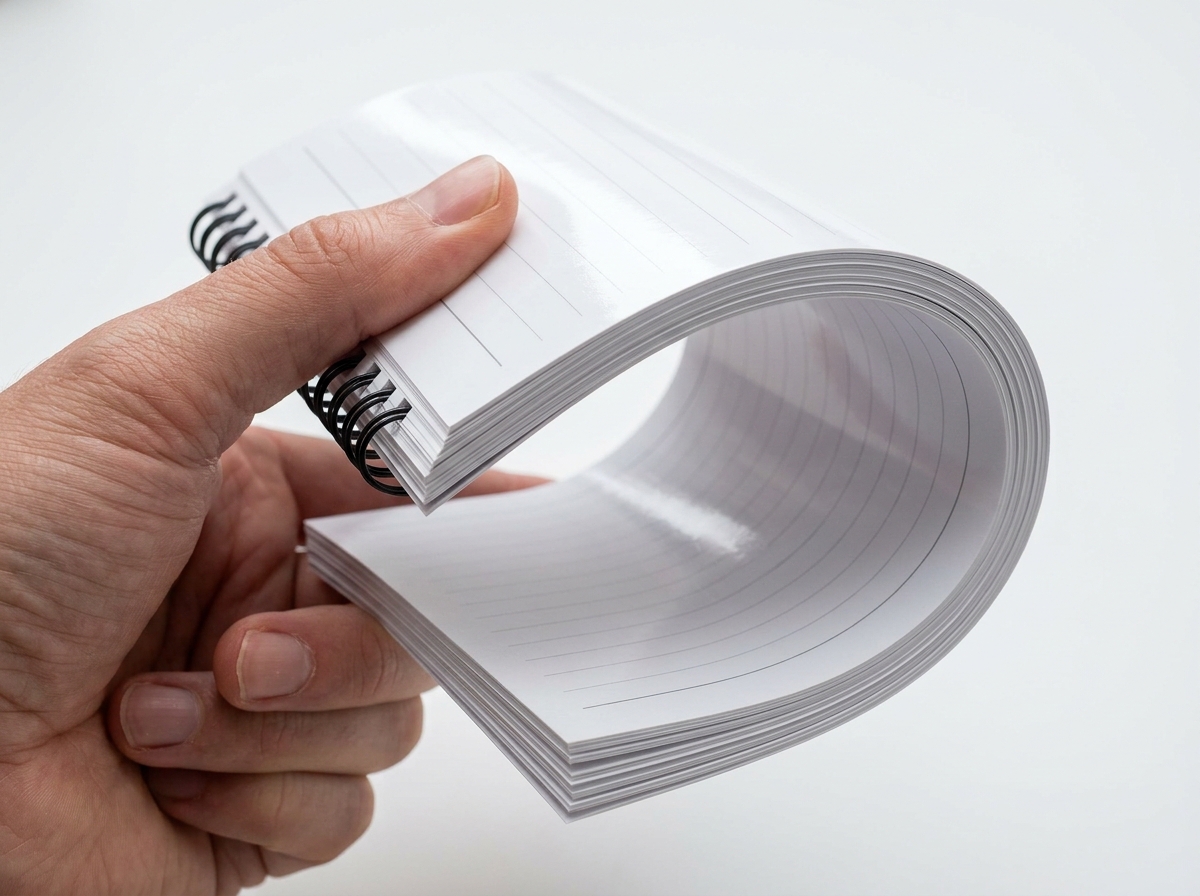
At its core, a reusable notebook with pen is an evolution of stationery. While it looks and feels like a standard spiral-bound notebook, the “paper” isn’t paper at all. It is typically constructed from a sophisticated synthetic polyester blend. This material is engineered to provide a smooth writing surface that mimics the friction of traditional wood-pulp paper but remains completely waterproof and non-absorbent.
Because the pages don’t soak up ink, the writing stays on the surface. When you use a specific type of thermo-sensitive ink (which we’ll dive into shortly), you can simply wipe the ink away or use heat to vanish it, leaving the page pristine for your next big idea.
But the “reusable” part is only half the story. These are also “smart” notebooks. By using a companion app on your smartphone, you can scan your pages in seconds. The app identifies the borders of the notebook, enhances the contrast to make your handwriting pop, and automatically beams the file to your preferred cloud destination.
We see this as the ultimate bridge between the analog and digital worlds. You get the cognitive benefits of handwriting without the physical clutter of stacked notebooks. If you are interested in the environmental side of this shift, you can read more about Exploring the Best Reusable Notebooks for Sustainability.
The transition to a reusable notebook with pen also offers significant cost savings. Instead of buying a new $15 notebook every few months, a single investment in a high-quality kit can last you years. For those looking to get started, checking out the Best Digital Notebook Kits is a great first step.
The Science of Erasable Ink and Page Durability
The magic of a reusable notebook with pen relies on a very specific chemical reaction. Most of these notebooks are designed to work with specialized erasable pens, which utilize thermo-sensitive ink. Unlike traditional ink that dyes the paper fibers, this ink becomes transparent when subjected to heat or friction.
When you use the rubber nub on the end of the pen, you aren’t “scraping” the ink off like a pencil eraser; you are generating localized friction heat that turns the ink invisible. In some specialized models, you can actually put the entire notebook in the microwave with a mug of water. In about three minutes, the heat from the microwave erases every single page at once. It’s essentially “cooking the books” in the most productive way possible!
For daily use, however, most users prefer the damp cloth method. Because the synthetic pages are waterproof, a few drops of water on a microfiber towel will lift the ink right off. We recommend a full cleaning of your notebook about once a month to prevent “ghosting”—a faint residue that can occur if ink is left on the page for many months.
To ensure your notebook lasts for its intended lifespan (which can be hundreds of reuses), follow these maintenance tips:
- Avoid using the pen’s eraser too aggressively, as it can wear down the synthetic coating over time.
- Use a soft microfiber towel rather than paper towels, which can be abrasive.
- Keep the notebook away from extreme heat (like a hot car dashboard), or your notes might accidentally pull a vanishing act!
For a deeper dive into maintenance, check out A Guide to Erasing and Reusing Your Smart Notebook Pages and our more technical walkthrough on How to Erase and Reuse Smart Notebooks.
The Writing Experience of a Reusable Notebook with Pen
One of the biggest questions we get is: “Does it feel like writing on plastic?”
The answer is: surprisingly, no. While the surface is smoother than standard notebook paper, it provides enough tactile feedback to feel natural. Most users describe it as a “gel-tip” feel. The pen glides across the page with very little pressure required, which can actually reduce hand fatigue during long lectures or meetings.
There are a few adjustments to keep in mind:
- Ink Drying Time: Because the ink sits on top of the synthetic page rather than soaking in, it takes about 10–15 seconds to dry completely. If you close the book or run your hand over the text immediately, it will smudge.
- Writing Pressure: You don’t need to press hard. In fact, pressing too hard can leave permanent indentations in the synthetic material, which remain visible even after the ink is erased.
- Pen Choice: You must use compatible pens. Using a standard ballpoint or permanent marker will “kill” the page permanently.
To find the right writing instrument for your style, browse the Best Performing Pens for Smart Notebooks and keep your kit stocked by looking at Smart Notebook Ink Replacement Options.
From Paper to Cloud: Digitizing Your Handwritten Notes
The real power of a reusable notebook with pen is unlocked when you pick up your phone. The companion apps are designed to be “set it and forget it.”
Most high-quality reusable notebooks feature symbols or icons at the bottom of each page. In the app, you can assign each icon to a specific destination. For example:
- The “Diamond” icon goes to your “Work Projects” folder in Google Drive.
- The “Apple” icon sends a PDF to your teacher’s email.
- The “Star” icon posts a JPEG of your brainstorm to a Slack channel.
When you finish writing, you simply mark the icon with your pen and scan the page. The app uses Optical Character Recognition (OCR) to read your handwriting. This is a game-changer because it makes your handwritten notes searchable. Instead of flipping through 200 pages to find that one mention of “Quarterly Budget,” you can just type the word into your cloud storage search bar.
Beyond organization, there is a biological benefit here. Scientific research on the benefits of handwriting for memory suggests that the physical act of writing things down helps us retain information much better than typing on a laptop. A reusable notebook gives you that cognitive edge while providing the digital accessibility of a tablet. If you’re curious about the hardware side of this, read our More info about digital pens for smart notebooks.
Maximizing Productivity with a Reusable Notebook with Pen
If you want to take your workflow to the next level, you can utilize advanced features like Smart Tags and Smart Titles. By wrapping a title in double hashtags (e.g., ## Project Alpha ##), the app can automatically name the scanned file for you. No more files named “Scan202310121430.”
For those in collaborative environments, features like “Snapcast Mode” allow you to share your notebook page in real-time. As you write and scan, the app updates a unique URL that your teammates can watch from their own screens. It’s like a portable, digital whiteboard. You can enhance your setup even further with Innovative Accessories for Reusable Notebooks.
Comparing Reusable Notebooks to Traditional Paper and Digital Note-Taking
Is a reusable notebook with pen better than a digital tablet or a traditional paper notebook? It depends on your priorities. Below is a comparison to help you decide.
| Feature | Traditional Paper | Reusable Notebook |
|---|---|---|
| Initial Cost | Low ($5–$20) | Medium ($30–$50) |
| Ongoing Cost | High (buy new books) | Low (ink refills) |
| Battery Life | Infinite | Infinite |
| Tactile Feel | Best (Natural) | Good (Smooth) |
| Searchability | None | High (via App) |
| Weight | Heavy (Multiple books) | Light (One book) |
The biggest advantage of the reusable notebook with pen over a digital tablet is the “distraction-free” nature of the device. There are no notifications, no battery to worry about mid-lecture, and no blue light to strain your eyes. It is battery-free writing that results in zero paper waste.
To see how these stack up against high-end digital paper, check out Understanding Different Digital Note-Taking Solutions and our guide on Choosing Your Ideal Digital Note-Taking Tool.
Frequently Asked Questions about Reusable Notebooks
Who is the ideal user for a reusable notebook?
We find that four main groups benefit the most:
- University Students: Those who take massive amounts of notes and need to organize them by subject without carrying five heavy binders. See our guide on Reusable Notebooks for Students.
- Business Professionals: People who attend multiple meetings a day and need to “blast” meeting minutes to Slack or email immediately.
- Creative Designers: Ideal for quick wireframes, sketches, and prototypes that need to be digitized for further work in Photoshop or Illustrator.
- Eco-Conscious Writers: Anyone looking to reduce their carbon footprint and save trees.
What are the potential drawbacks or limitations?
While we love these tools, they aren’t perfect for every situation:
- Drying Time: If you’re a fast, left-handed writer, you might find yourself smudging the ink before it dries.
- Specific Pen Requirements: If you lose your compatible erasable pen, you can’t just grab a random pen from the junk drawer and keep going.
- Archival Permanence: If you want to keep a physical diary for 50 years, a reusable notebook is a bad choice. These are designed for temporary physical storage and permanent digital storage. For more on the eco-impact, see The Ultimate Guide to Eco-Friendly Smart Notebooks.
How long do the pages actually last?
With proper care, a single notebook can last for years. The synthetic pages are incredibly durable and resistant to tearing. The “death” of a reusable notebook usually comes from one of three things: using the wrong pen, pressing too hard with the tip, or using harsh chemicals (like Windex or alcohol) to clean the pages, which strips the specialized coating. Stick to water and a microfiber cloth, and you’ll be set for a long time.
Conclusion
The era of the “disposable” notebook is coming to an end. By switching to a reusable notebook with pen, you are choosing a more organized, cost-effective, and sustainable way to work. Whether you are a student trying to lighten your backpack or a professional trying to declutter your desk, the ability to write by hand and sync to the cloud is a productivity superpower.
At Open Diode, we are committed to pioneering the best in cloud-connected stationery. From our versatile flagship models to the compact Mini, we provide the tools you need for seamless digital capture.
Ready to make the switch? Start your digital note-taking journey with Open Diode today and never buy another paper notebook again.
